Disputes in Guyana's Oil Economy
The world's newest petro-economy is producing disputes as quickly as oil.
By caribbean.law
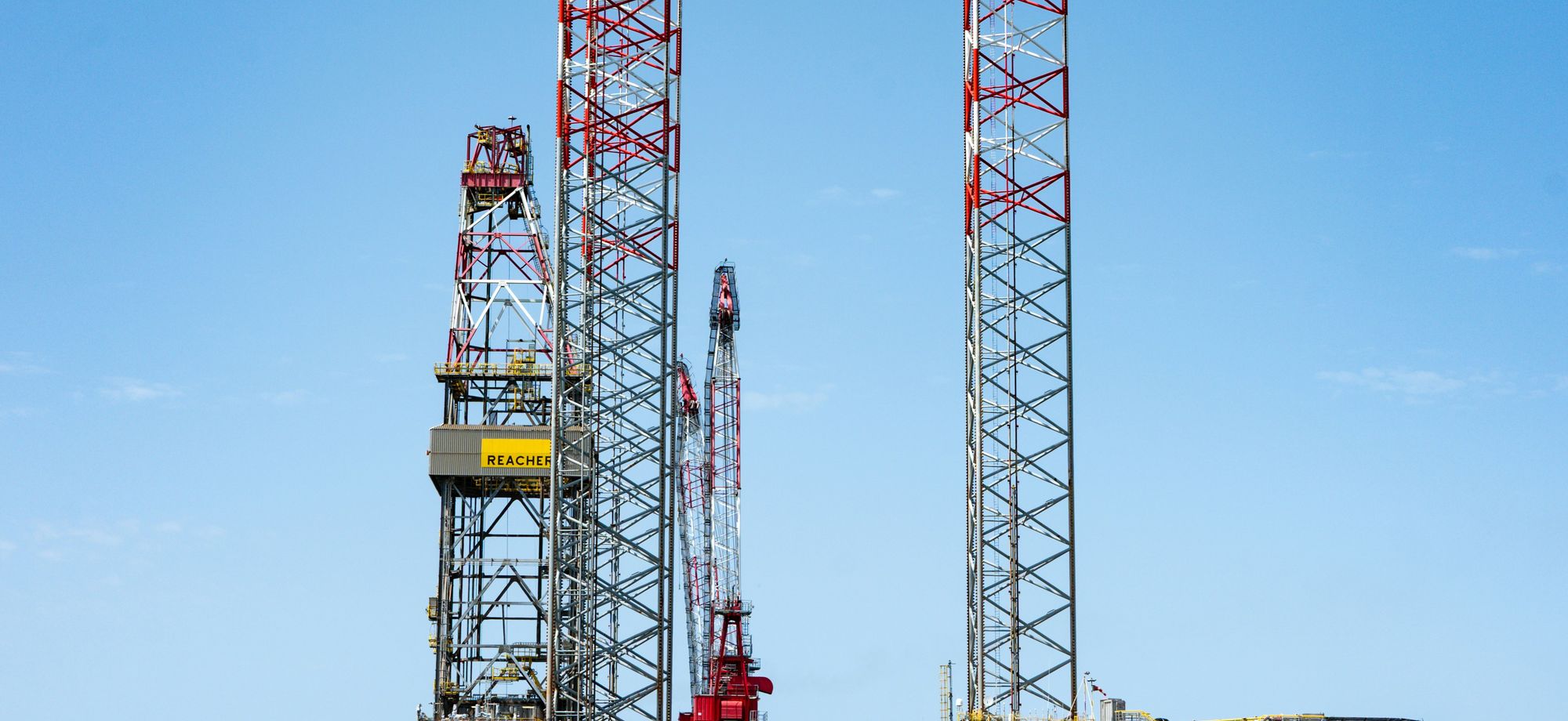
Guyana sits on what has been called the biggest oil discovery of this century. The Stabroek block has turned one of South America's smallest economies into its fastest growing, and money on that scale never moves quietly. The past year alone shows the pattern. Supermajors took a US$53 billion takeover to arbitration. The state challenged US$279 million of the operator's costs. Regulators went after sham local partnerships. Each fight carries a lesson for anyone doing business there.
The fight over the biggest prize
The largest dispute never touched a Guyanese courtroom. When Chevron agreed to buy Hess for US$53 billion, the prize inside the deal was Hess's 30 per cent of Stabroek. ExxonMobil and CNOOC are the other partners in the block. They claimed the sale triggered their right of first refusal under the joint operating agreement. Chevron and Hess said the clause covered a sale of the asset, not a takeover of the company that owned it.
The question went to arbitration before an International Chamber of Commerce tribunal, and in July 2025 it agreed with Chevron. The deal closed the same day. Billions turned on how one clause read. The answer came in private, from a tribunal the parties chose. It is a clean illustration of two things: cross-border energy disputes tend to be arbitrated rather than litigated, and the wording agreed years earlier decides who wins. The clauses at the back of the contract settle these fights before they begin.
The state and the operator
The second dispute is slower and closer to home. Audits of the Stabroek partners' expenses have flagged US$279.1 million in spending the government says should not count as recoverable costs. The larger slice of US$214.4 million dates from the earliest audit period; a further US$65.1 million came out of a review of US$7.2 billion in later costs.
The production sharing agreement has its own machinery for this: an independent expert chosen by both sides rather than a court. Getting there has not been quick. The larger dispute has run for roughly five years. This year the IMF urged Guyana to settle the audits quickly and named arbitration as one way to do it. The lesson for anyone contracting with a state is not that the machinery fails; it is that disputes with governments move at a government's pace, and a business should plan its cash flow and its patience accordingly.
The local content crackdown
The third front involves smaller companies and touches far more of them. Guyana's Local Content Act has reserved parts of the oil economy for Guyanese-owned businesses since 2021. Foreign suppliers responded by finding local partners; some responded by renting them. Regulators are now targeting what they call fronting: shell companies and paper majorities where a Guyanese partner holds 51 per cent on the documents and a fraction of it in reality.
That campaign will generate disputes of its own. Joint ventures built for compliance rather than partnership tend to fall out. A structure that fails the Act can cost a company its contracts as well as its standing. The safe course is a genuine local partner, real ownership and paperwork that matches the truth.
Where these disputes get decided
One feature of Guyana's system surprises foreign parties. Its final court of appeal is not the Privy Council but the Caribbean Court of Justice, sitting in Port of Spain. Court proceedings in Guyana end there.
As the past year shows, the bigger commercial fights mostly do not go to court at all. They run through the dispute clauses of the contracts: ICC arbitration for the joint venture; a sole expert for the audits. The real battleground is the drafting of those clauses and the practical question of where a result can be enforced. Both are settled long before anything goes wrong.
Frequently asked questions
What kinds of disputes is Guyana's oil boom producing? Three kinds dominate. Joint-venture partners fight over their contracts. Operators and the state clash over costs and revenue. Local-content rules breed disputes about ownership and compliance. Construction and supply claims follow behind.
How was the Exxon and Chevron dispute over Guyana decided? By ICC arbitration. In July 2025 the tribunal ruled that the right of first refusal in the Stabroek joint operating agreement was not triggered by Chevron's purchase of Hess as a company. The US$53 billion deal closed the same day.
What is the cost-recovery dispute about? Government audits flagged US$279.1 million in expenses said to be wrongly charged to cost oil. The production sharing agreement sends such disagreements to an independent sole expert, and the largest part of the row has been open for about five years.
Does the Local Content Act affect foreign companies? Directly. Parts of the sector are reserved for Guyanese-owned businesses, so foreign suppliers typically enter through joint ventures. Regulators now scrutinise whether local ownership is real, and structures built on paper majorities are being unwound.
Guyana is not short of opportunity; it is short of history. The rules are new and the sums are enormous. In that combination, the companies that fare best are the ones that treat their contracts as the courtroom and write them accordingly.