Why Caribbean Appeals End in London or Port of Spain
Two final courts serve the region; the country decides which one hears your appeal.
By caribbean.law
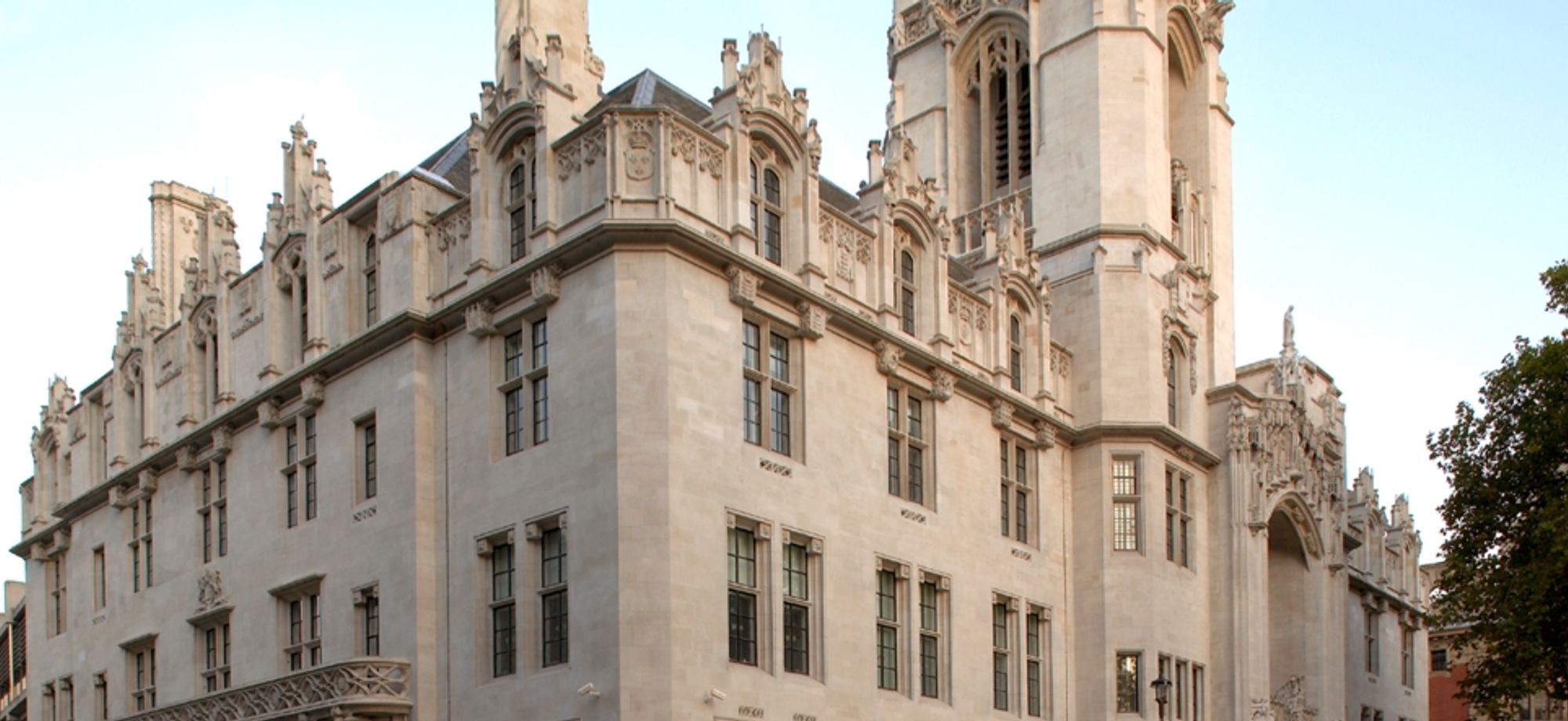
Ask where a Caribbean court case finally ends and the answer is not one court but two. Some appeals from the region end in London, before the Judicial Committee of the Privy Council. Others end in Port of Spain, before the Caribbean Court of Justice. Which court has the last word depends entirely on the country where the case began.
The Privy Council
The Privy Council is the final court of appeal inherited from the colonial era, and much of the Commonwealth Caribbean has kept it. Its judges are drawn mainly from the United Kingdom's Supreme Court, and it sits in London. For Trinidad and Tobago, most commercial appeals still end there. Jamaica and several other states take the same route.
The Caribbean Court of Justice
The CCJ was inaugurated in 2005 as the region's own final court. It is based in Port of Spain and does two different jobs. The two are easy to confuse.
An appellate court for five states. Barbados, Belize, Dominica, Guyana and Saint Lucia have replaced the Privy Council with the CCJ. Appeals from their courts end in Port of Spain, not London.
A treaty court for all of CARICOM. In its original jurisdiction, the CCJ decides disputes under the Revised Treaty of Chaguaramas – the agreement behind the regional single market. That jurisdiction binds every member state. A Trinidad and Tobago business with a treaty complaint goes to the CCJ, even though the country's ordinary appeals go to London. The treaty role is not theoretical; in 2026 the Court upheld a CARICOM free-movement claim against Suriname.
Hence the region's standing irony: the CCJ sits in Port of Spain, and Trinidad and Tobago does not use it for appeals.
Why it matters in a dispute
For a business, the identity of the final court is not trivia. It shapes several practical things at once.
Where the case can end. A dispute that runs to a final appeal may finish years after it began, in a courtroom on another continent or a neighbouring island. Budgets and strategy should account for that from the start.
Cost and distance. A London appeal means London counsel, travel and time. The CCJ sits closer, travels for hearings and works readily by video.
Cross-border planning. The same regional deal can involve one party whose courts answer to London and another whose courts answer to Port of Spain. Guyana is the sharpest example; its economy is drawing heavy foreign investment, and its appeals end at the CCJ.
Neither court is a lesser option; both are experienced final courts. The point is narrower: know which one stands at the end of your dispute before the dispute begins.
Frequently asked questions
What is Trinidad and Tobago's final court of appeal? For most matters it is the Privy Council in London. The CCJ binds Trinidad and Tobago only in its treaty jurisdiction, not as a court of appeal.
Which countries use the CCJ as their final court? Five: Barbados, Belize, Dominica, Guyana and Saint Lucia. Appeals from the rest of the Commonwealth Caribbean still go to the Privy Council.
What is the CCJ's original jurisdiction? Its treaty role. The CCJ decides disputes under the Revised Treaty of Chaguaramas, which governs the CARICOM single market, and that role covers every member state.
Does it matter commercially which court sits at the end? Yes. The final court shapes the cost, distance and length of a fight that goes all the way. In cross-border deals it can differ between the parties, and that belongs in the risk assessment.
The two courts are not rivals; they are parallel destinations. When a dispute in the region starts to build, check early where the last appeal would land.