Banking Disputes in Trinidad and Tobago
Banks and their commercial customers fall out over familiar things: a called-in loan, a guarantee, money that left an account without authority. The law hands each side sharper tools than most businesses expect.
By caribbean.law
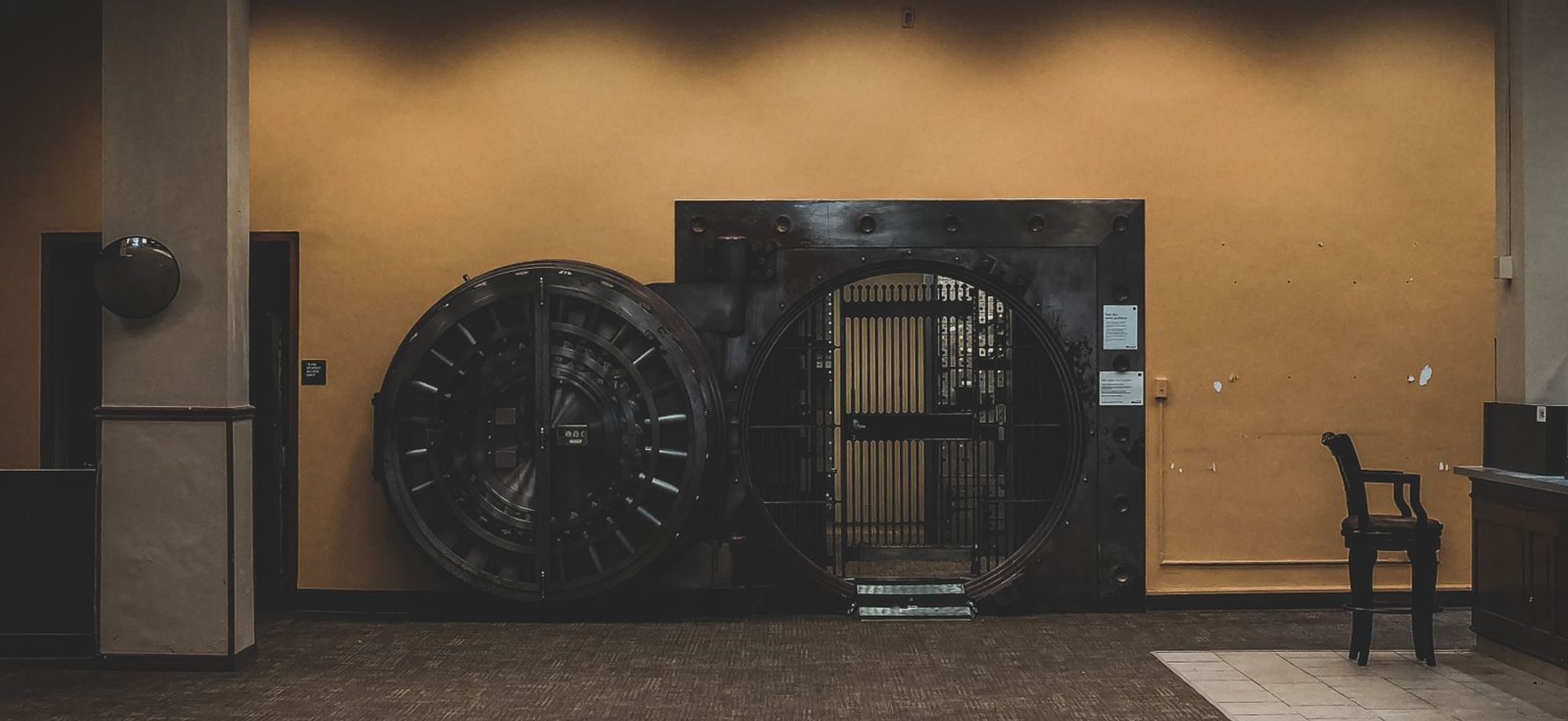
Banking in Trinidad and Tobago runs through a small number of commercial banks and licensed non-bank institutions, supervised by the Central Bank under the Financial Institutions Act. Concentration cuts both ways. A business rarely has more than one or two banking relationships to lose, and a bank enforcing against a customer is often dealing with a name it will meet again. When the relationship does break, the disputes fall into recognisable patterns, and each has its own balance of power.
When the bank calls in the loan
Most commercial lending is secured, and most banking litigation begins with a demand. Once a facility is called, the bank's tools are strong: it can sue on the debt, appoint a receiver under a debenture, or sell charged property under its power of sale. None of that usually needs a court's permission.
Strong is not unreviewable. A lender exercising a power of sale must take reasonable care to obtain a proper price, a duty settled in the English case of Cuckmere Brick and applied across the Commonwealth; a sale at an undervalue to a convenient buyer is the classic ground of challenge. Receivers owe duties in how they manage and realise what they hold. And where the bank has sued a guarantor instead of the borrower, the guarantee is only as good as its paperwork: a facility varied without the guarantor's consent, or a signature obtained without proper explanation, can loosen what looked like the bank's easiest route to payment.
When money leaves without authority
The other family of disputes starts with a statement no one can explain. A forged instruction, a compromised email chain, an employee with access they should not have had - and money is gone. The starting point of banking law favours the customer: a bank may only pay on its customer's mandate, and a payment made without authority is generally one the bank must restore. The argument is over what displaces that starting point, and a customer whose own systems or signatories let the fraud in will meet that argument quickly.
Recovery is a race. Money that leaves an account moves again within days, and the practical remedies reward speed: a freezing injunction to stop what remains from moving, and disclosure orders compelling banks to reveal where funds went, relief built on the English decisions in Norwich Pharmacal and Bankers Trust. A banker's duty of confidentiality, recognised since Tournier a century ago, yields to orders of this kind. The paper trail through a bank is often the only map of a fraud, and the courts will open it.
The regulator in the room
A banking dispute is never wholly private. Licensed institutions answer to the Central Bank, and regulatory consequences run alongside civil ones, sometimes for years. The region's defining example is the CL Financial collapse, where a state rescue of the Caribbean's largest conglomerate became a seventeen-year unwinding of institutions, claims, and public money. For regional banks the regulatory dimension multiplies across borders: a group supervised in one jurisdiction may hold security and face claims in several others, each with its own courts and its own rules on turning a judgment into money. A strategy that treats each island separately tends to be built by the dispute rather than for it.
Where the leverage sits
For the bank the leverage is in the file: security taken properly, demands made correctly, and a sale process documented well enough to survive the undervalue challenge that follows almost any enforcement. For the customer the leverage is in the calendar: the days immediately after a wrongful debit or an abrupt demand decide what can be frozen, what can be traced, and what position the eventual negotiation starts from. Most banking disputes end in settlement, and the settlement reflects the strength of those early moves far more than either side expects.
Frequently asked questions
Can a bank in Trinidad and Tobago sell secured property without a court order? Generally yes, where the security confers a power of sale. The check on that power is the duty to take reasonable care to obtain a proper price, and a sale at an undervalue is the usual basis on which enforcement is challenged after the event.
Who bears the loss when money is paid out of an account without authority? The starting point is the bank: it may only pay on its customer's mandate, and an unauthorised payment is generally one it must restore. The outcome turns on the facts, because a customer whose own conduct or systems contributed to the fraud will face arguments that shift some or all of the loss back.
Can a bank be forced to reveal where stolen money went? Yes. Courts grant disclosure orders against banks that hold or have moved the proceeds of fraud, on the principles established in Norwich Pharmacal and Bankers Trust. Banker's confidentiality does not stand against a court order, and that paper trail is usually the backbone of any recovery.